Electrical & Electronic Engineering
|
Vision
To develop Electrical & Electronics Engineering professionals competent to face the global challenges in an edifying environment conducive to learn technical knowledge, skills blended with ethics and values, to Coordinate and serve to the society for betterment and comfortable living. |
Mission
|
|
About the Department
The Department of Electrical and Electronics Engineering was established in the year 2008 with an initial intake of 66. The department has grown significantly and has well established Machines, Power Electronics and PLC, Electronics, Digital Electronics and microcontrollers and Wiring Laboratories. The teaching faculties of the department are very much dedicated and enthusiastic to cater the needs of the students and their well being. |
Feedback on Teaching Learning Process
Student Feedback Forms
Institute Feedback Forms
ALUMNI FEEDBACK
To be strictly filled by students who completed Three Years Diploma Course in EEE
Fill Alumni FeedbackPARENTS FEEDBACK
To be strictly filled by Parents of students who completed Three Years Diploma Course in EEE
Fill Parents Feedback
.jpg)

.jpg)

.jpg)

.jpg)
Our labs
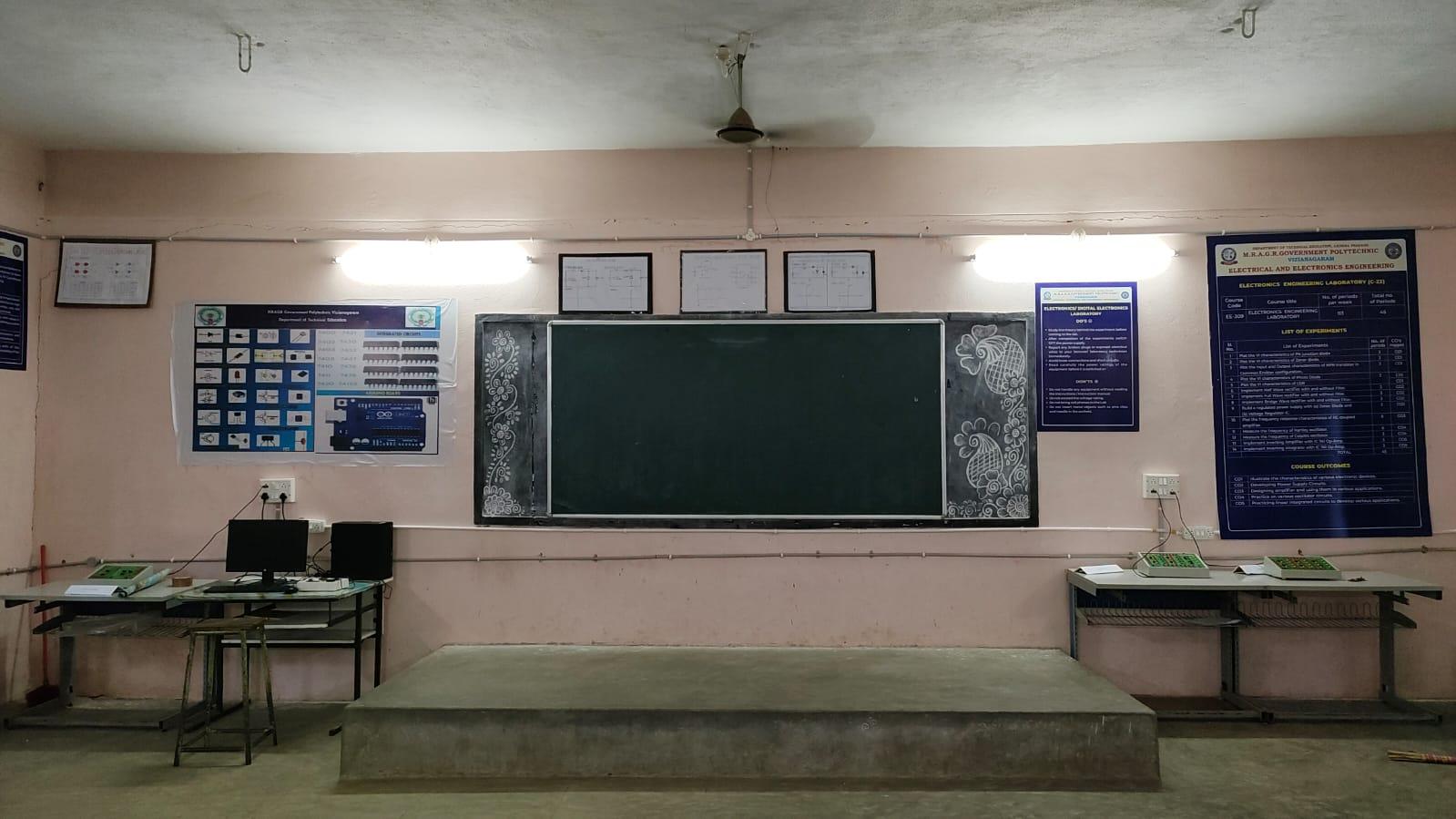
Electronics/ Digital Electronics Laboratory
Electronics/ Digital Electronics Laboratory
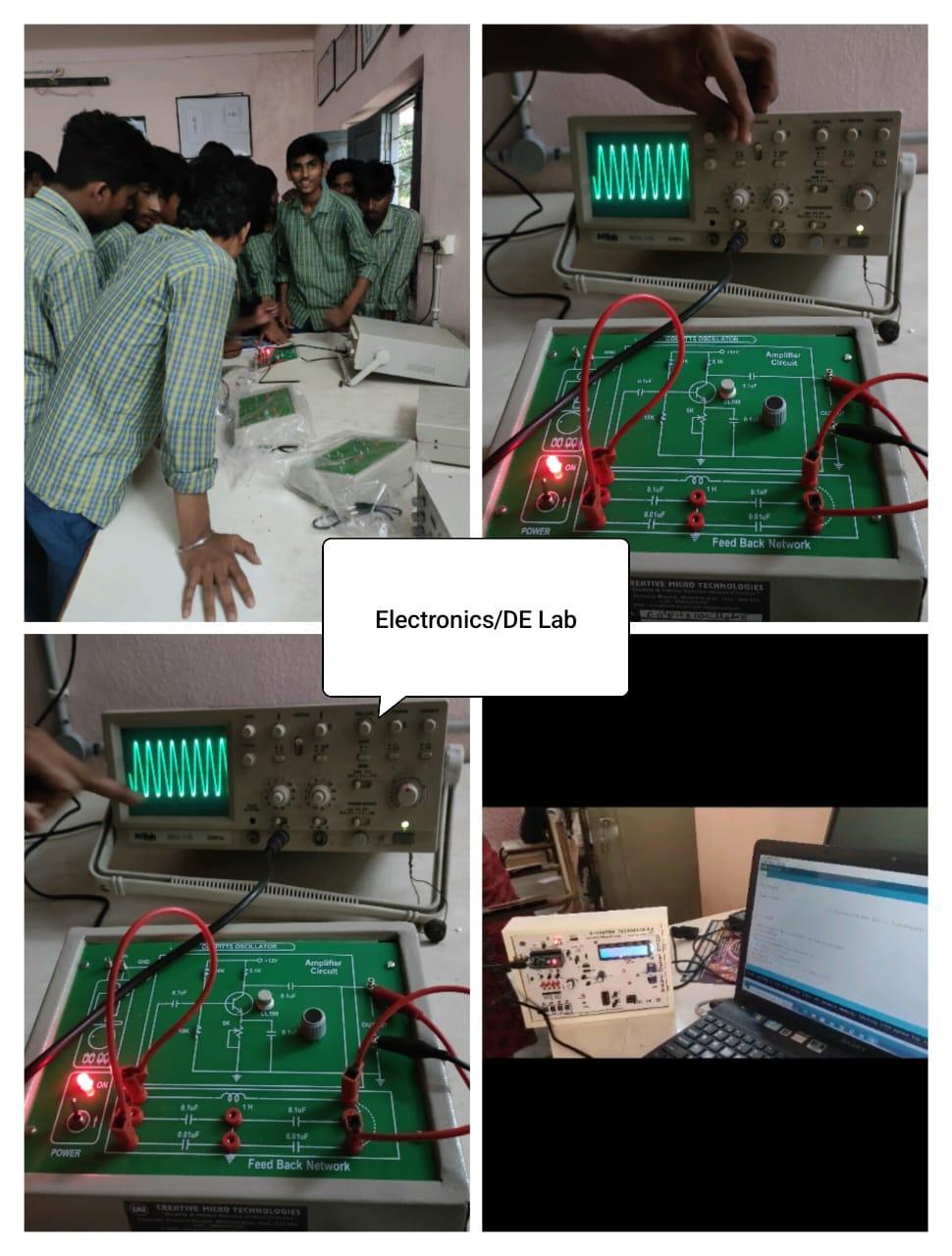
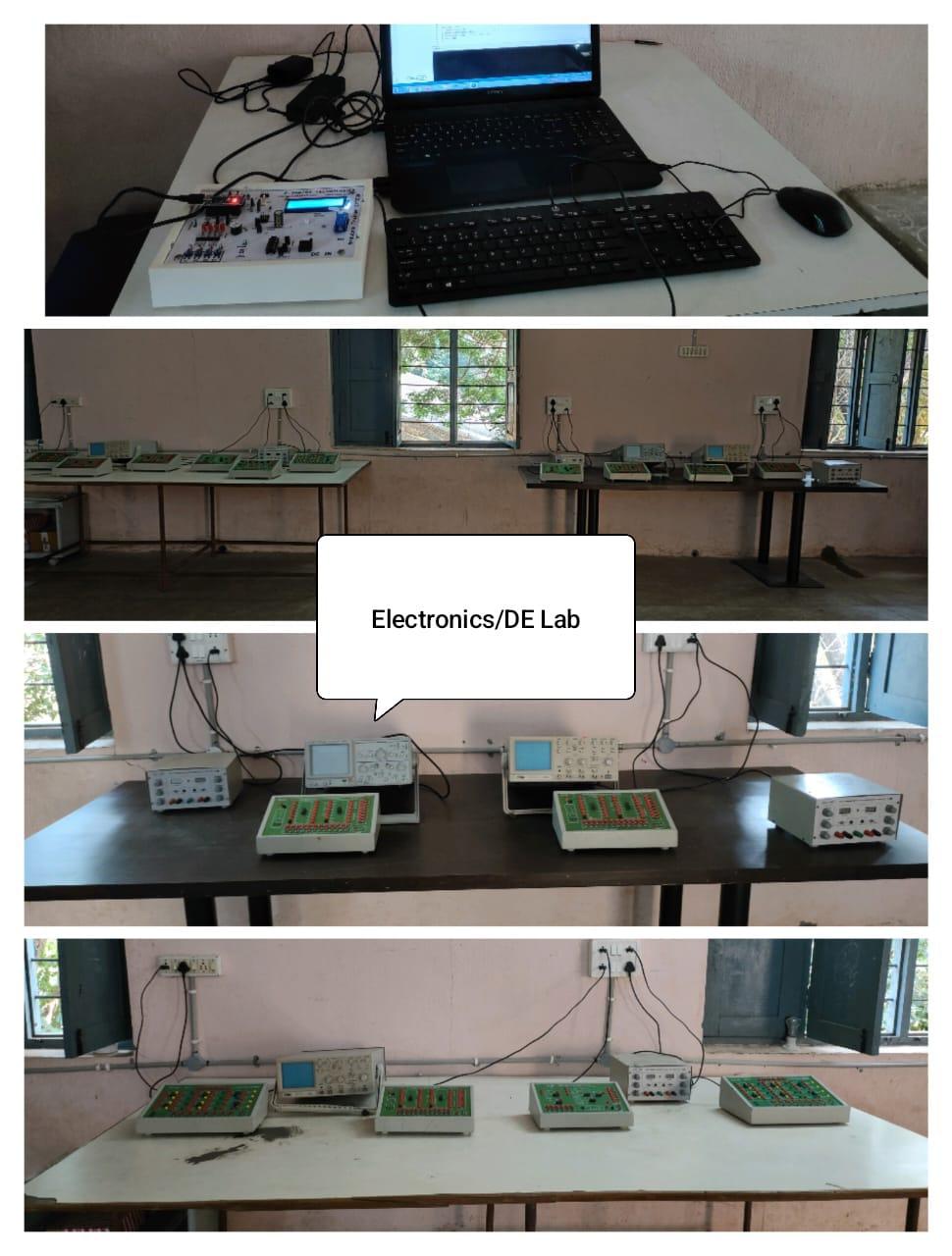
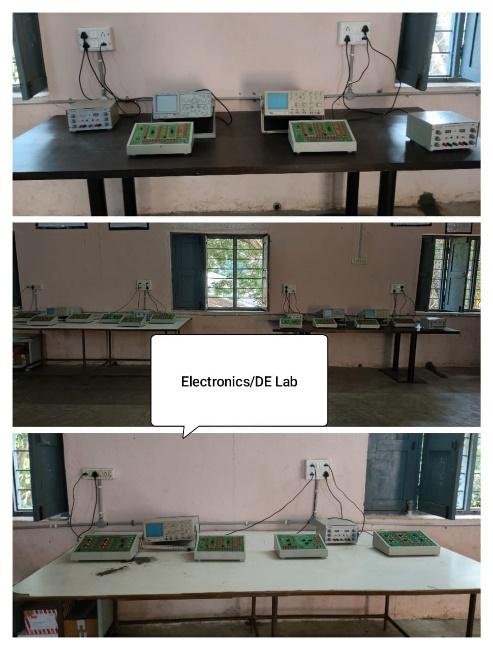
The Electronics and Digital Laboratory is the foundational training ground where students transition from understanding individual components to designing complex integrated systems. This lab is equipped to handle everything from basic analog signal processing to advanced digital logic design.
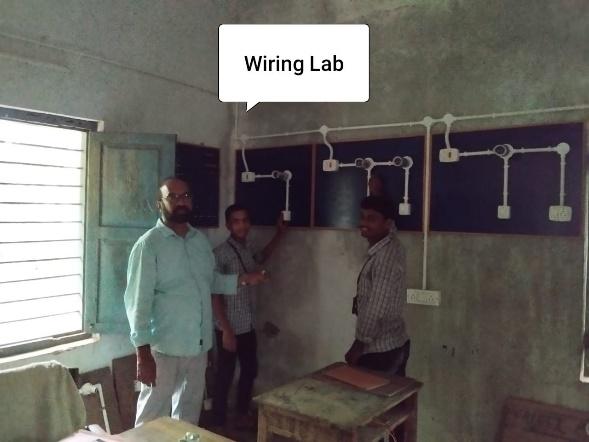
Electrical Wiring Laboratory
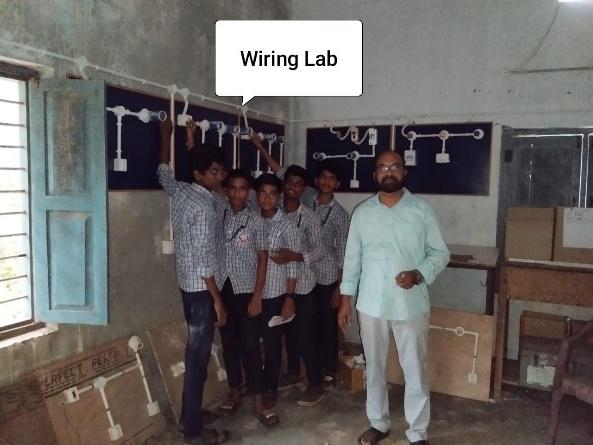
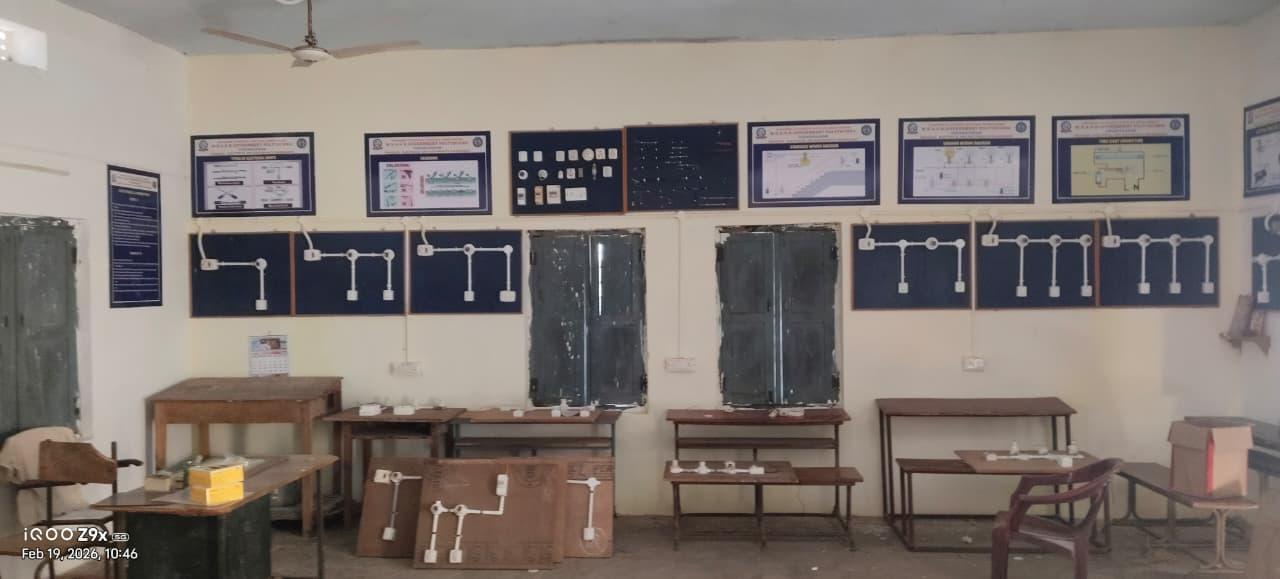
Electrical Wiring Laboratory
Students learn to design and execute common household circuits, including:
• Staircase Wiring: Controlling a single lamp from two different locations.
• Godown Wiring: Sequential lighting control for large storage spaces.
• Switchboard Assembly: Proper installation of switches, sockets, fuses, and indicators.
Computer Fundamentals Lab
Computer Lab
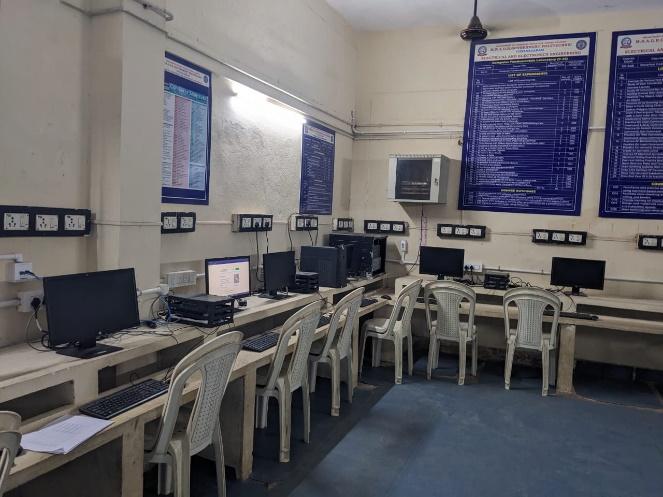
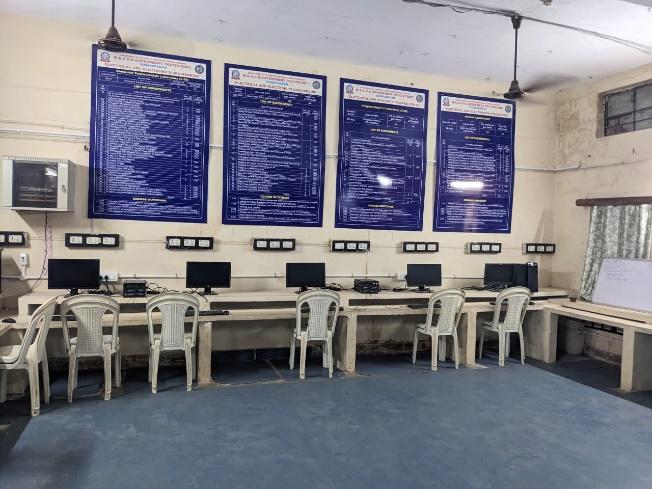
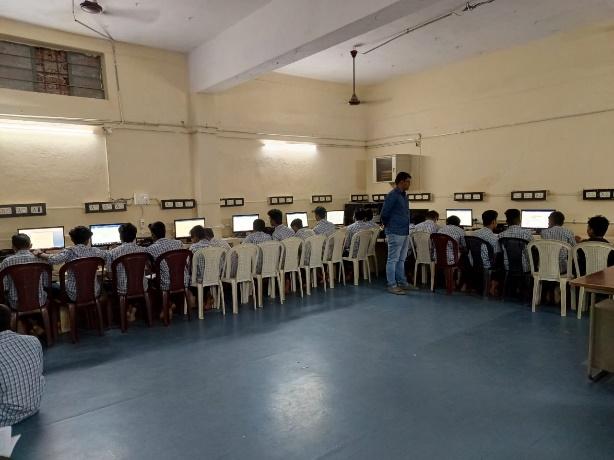
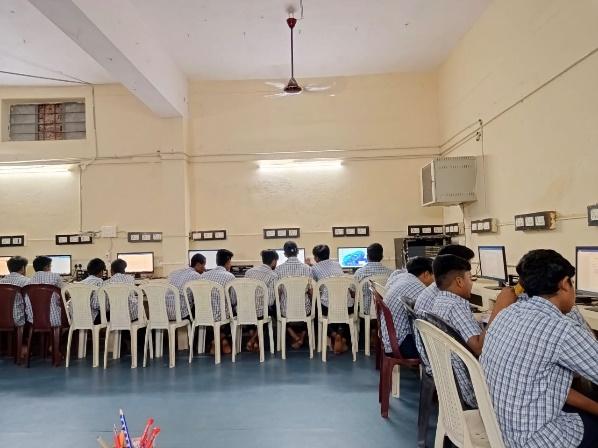
The Computer Laboratory at MRAGR Government Polytechnic is a state-of-the-art facility designed to bridge the gap between theoretical concepts and practical engineering applications. Our lab serves as a central hub for innovation, providing students with the high-performance computing power required for modern engineering curricula.
Computer Fundamentals Lab: The entry point for our first-year students. This lab focuses on digital literacy, including operating systems, office automation tools, and the basics of hardware and networking. It ensures every student, regardless of their background, becomes proficient in the digital tools of the trade.
CAD (Computer-Aided Design) Lab: Equipped with industry-standard design software, this lab allows Civil and Mechanical engineering students to transform blueprints into precise digital models. Students learn to master 2D drafting and 3D modeling, preparing them for the modern architectural and manufacturing industries.
MATLAB Practice Lab: A specialized environment for our electronics and electrical engineering students. Here, students engage in high-level programming, numerical computation, and data visualization. This lab is essential for simulating complex circuits, signal processing, and mathematical modeling.
C Programming Lab: Considered the "Language of Engineers," this lab focuses on developing core programming logic. Students learn to translate complex engineering problems into structured code, mastering syntax, data types, control structures, and memory management. This is the essential precursor to microcontroller programming and IoT applications.
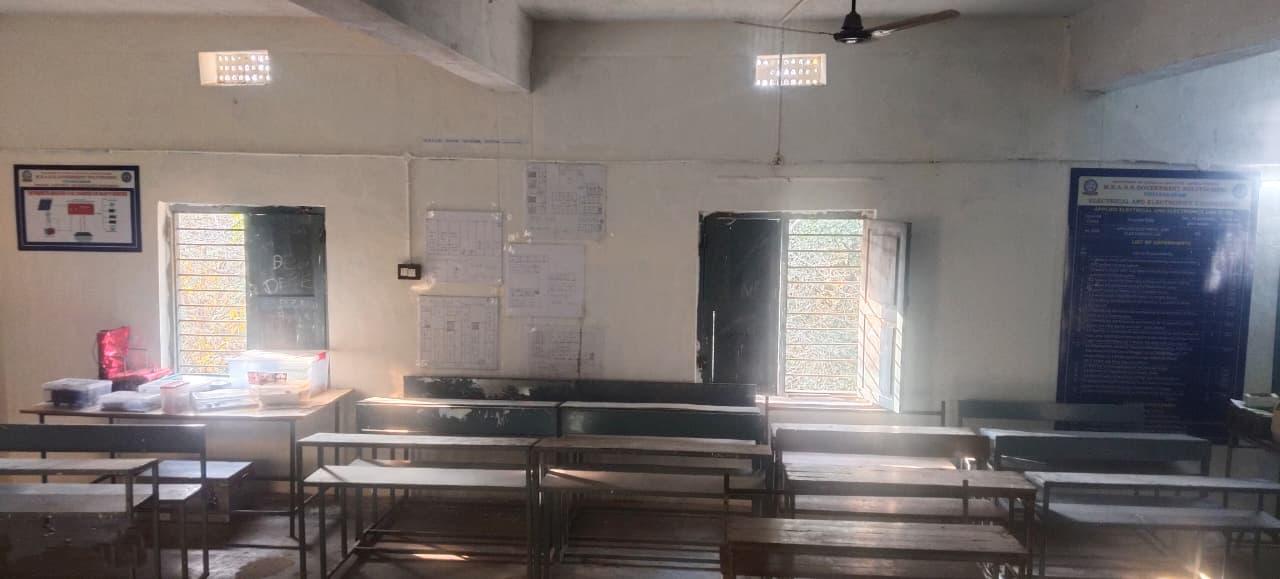
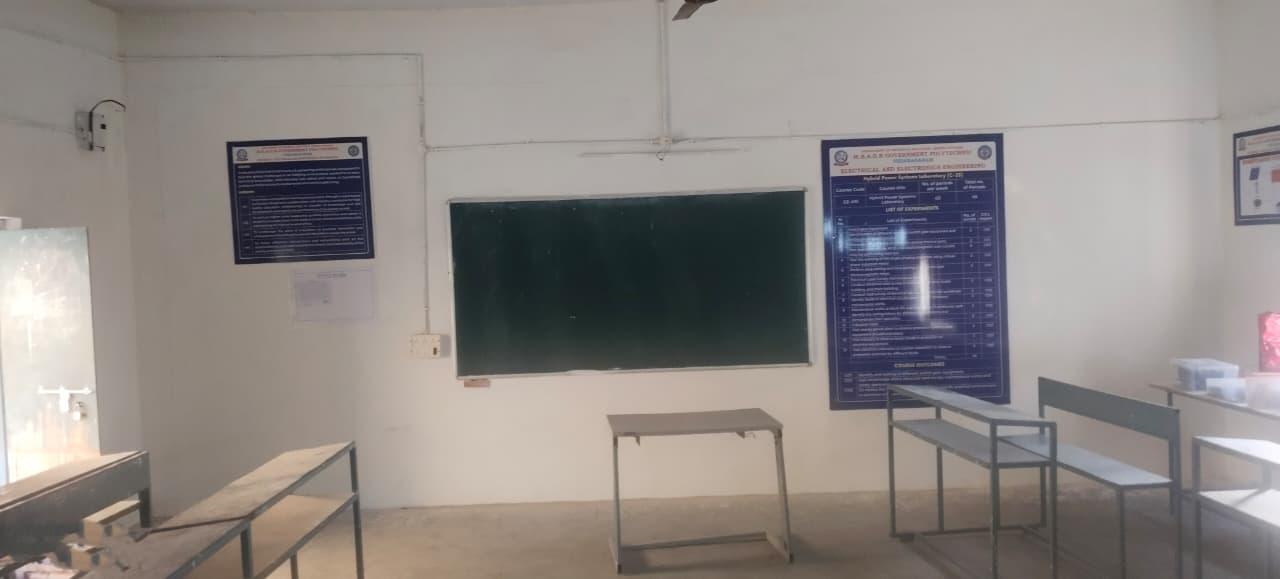
Hybrid Power Systems Laboratory
Hybrid Power Systems Laboratory
The Hybrid Power Systems Lab prepares our students for the rapidly growing renewable energy sector. By mastering "Smart Grid" technologies, graduates are uniquely qualified for roles in solar farm management, green building consultancy, and the burgeoning electric vehicle (EV) charging infrastructure.
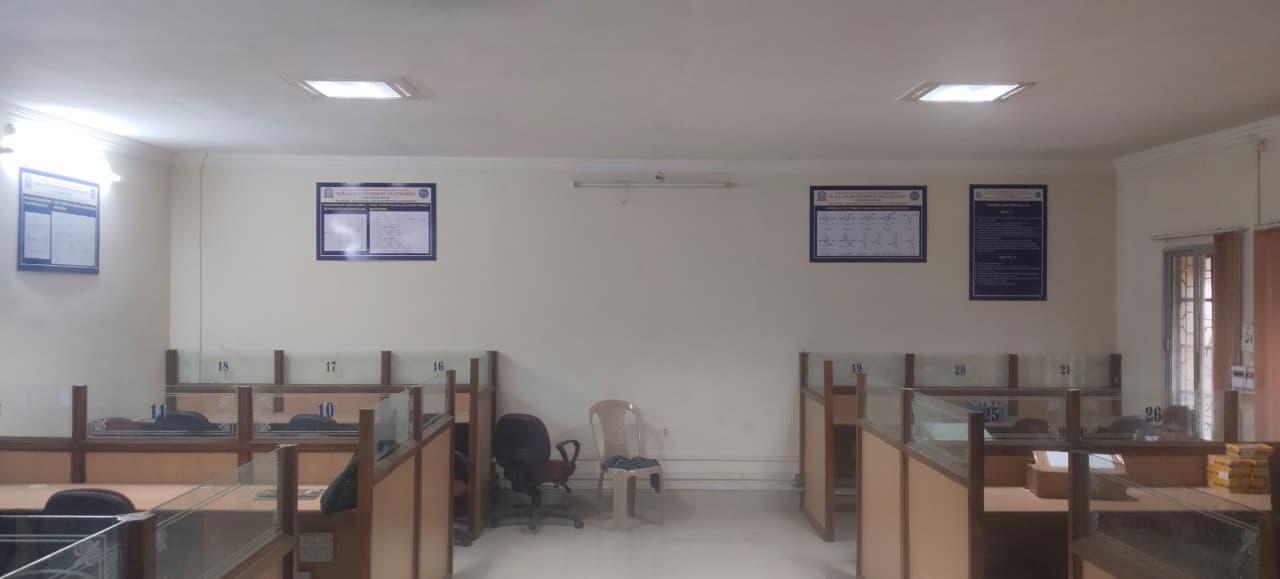
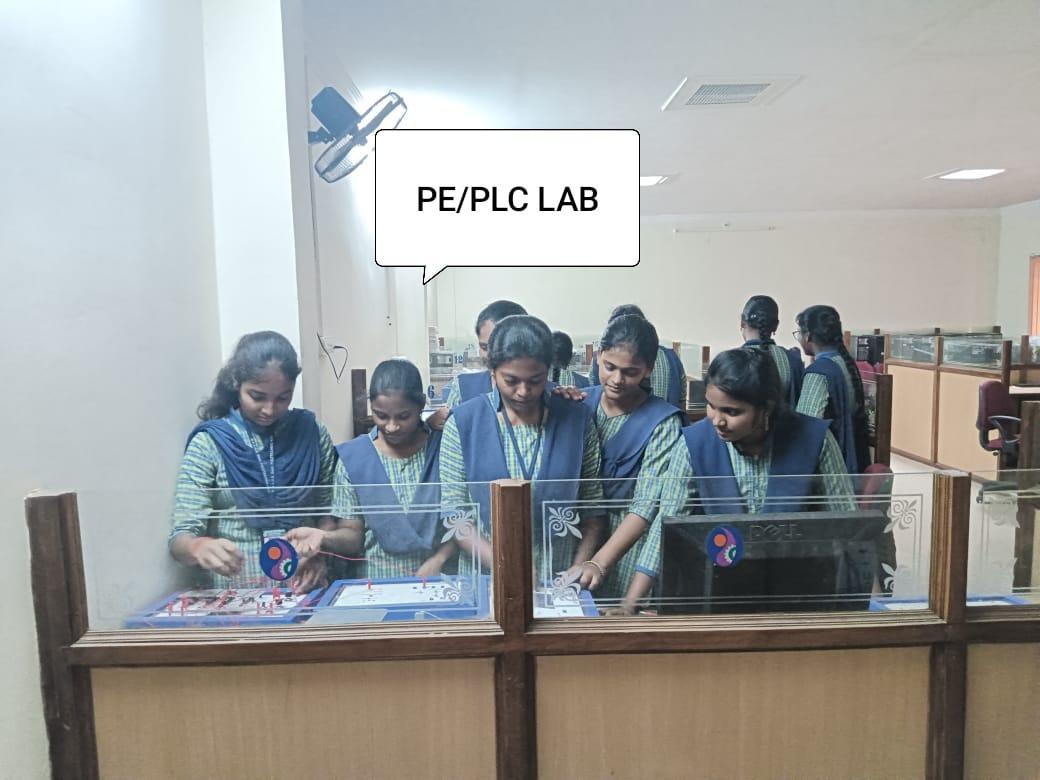
Power Electronics Laboratory
Power Electronics Laboratory
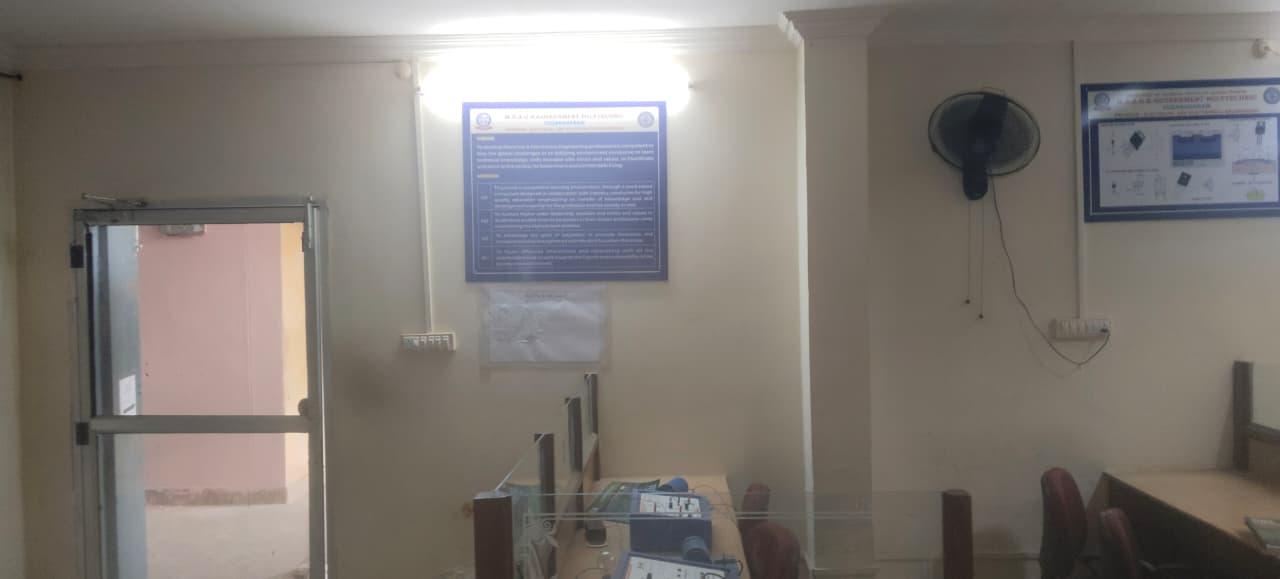
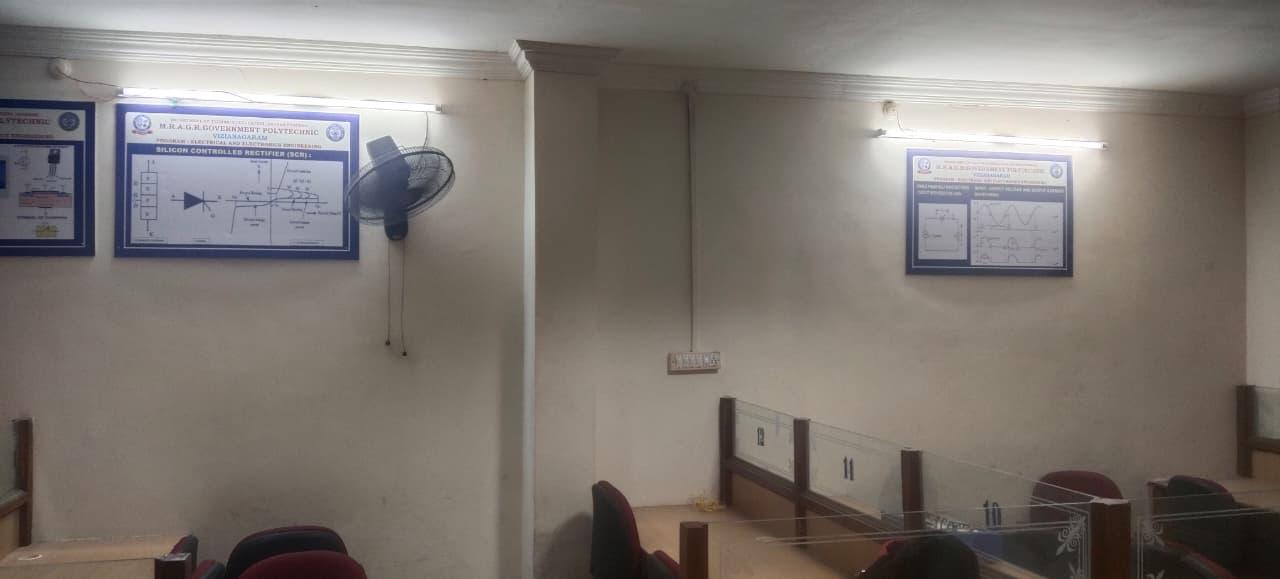
In this lab, students gain hands-on experience with the switching characteristics of power semiconductor devices and the design of converters. Key areas of study include:
• Static Characteristics: Analyzing the behavior of SCRs, MOSFETs, and IGBTs.
• Power Converters: Building and testing AC-to-DC rectifiers (controlled and uncontrolled), DC-to-DC choppers, and DC-to-AC inverters.
• Motor Control: Implementing speed control techniques for AC and DC motors using power electronic drives.
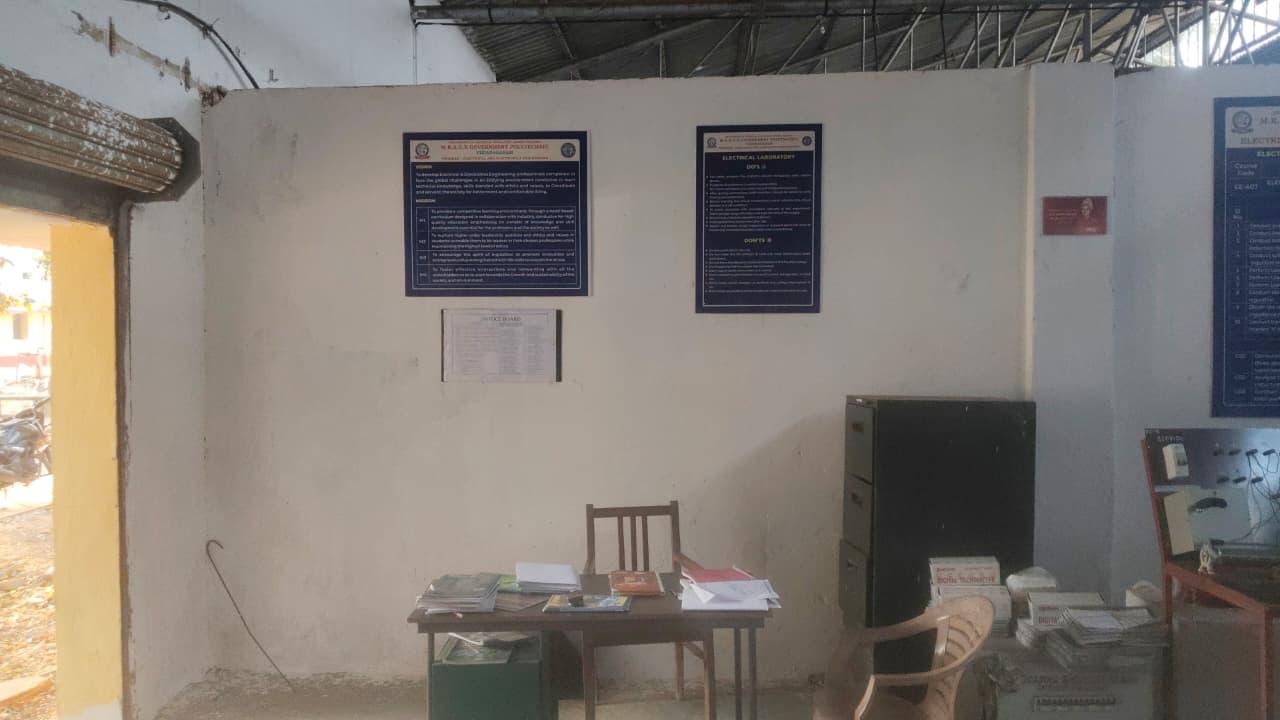
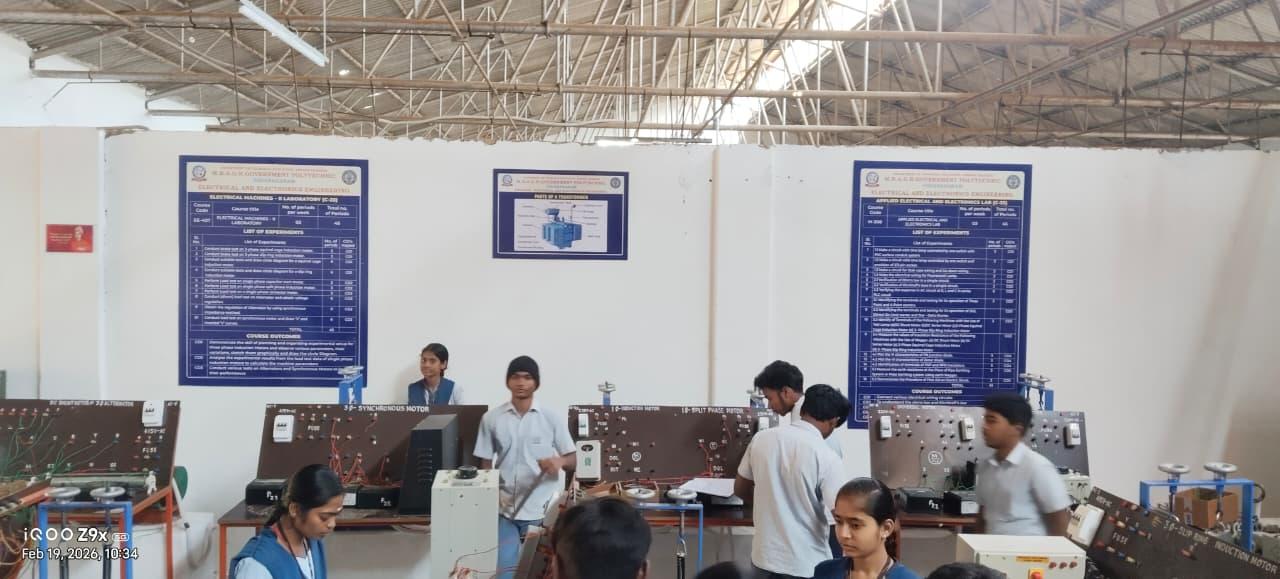
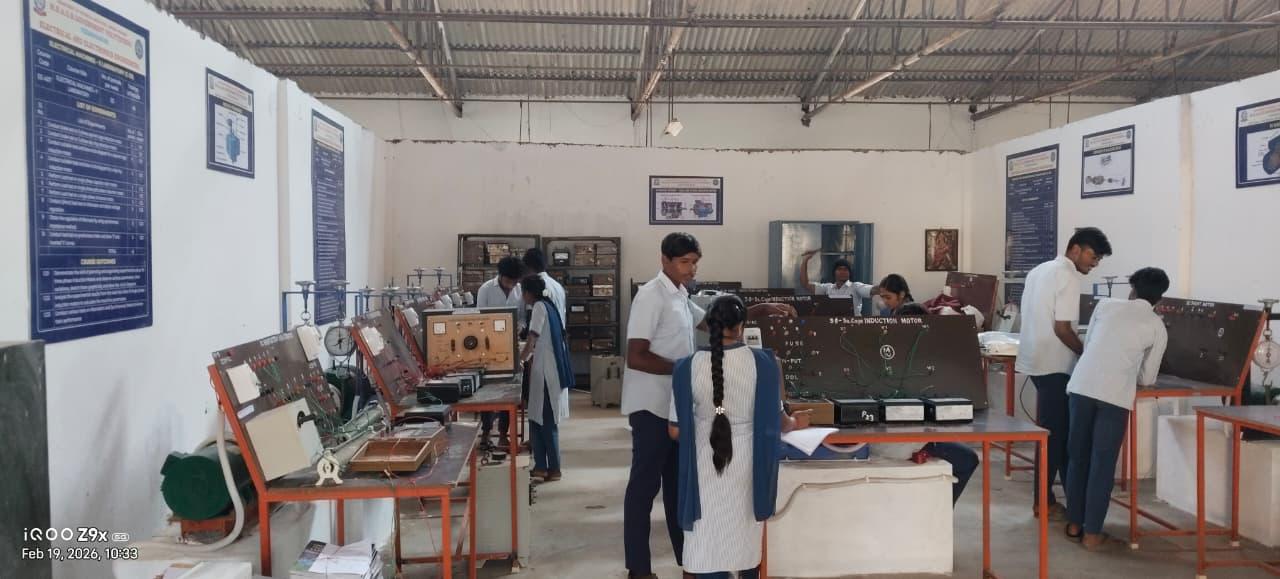
Electrical Machines Laboratory
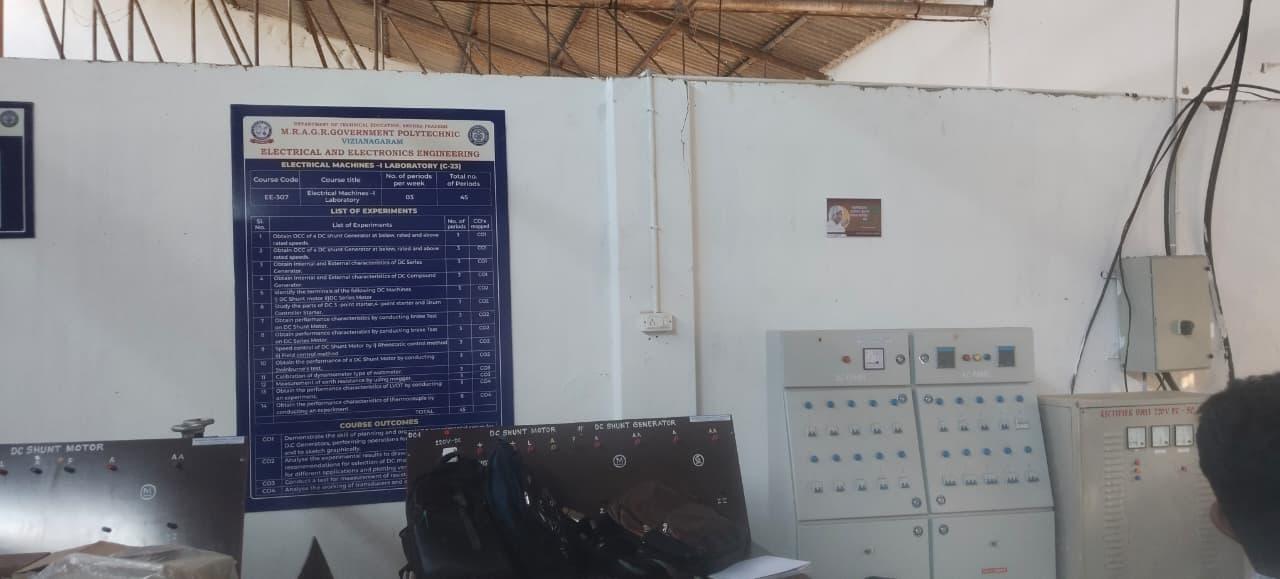
The Electrical Machines Laboratory at MRAGR Government Polytechnic is the heart of the Electrical Engineering department. This lab provides a robust environment where students move beyond textbook theory to witness the physical principles of electromagnetism, torque, and power generation in action. This facility is designed to provide comprehensive training on both Static and Rotating machines. It is equipped with specialized test benches that allow students to perform load tests, efficiency calculations, and speed control on industrial-grade motors and generators.
.jpeg)


.jpeg)
.jpeg)
.jpeg)
.jpeg)
.jpeg)
.jpeg)
.jpeg)
.jpeg)
.jpeg)
.jpeg)
.jpeg)
.jpeg)
.jpeg)
.jpeg)
.jpeg)
.jpeg)
.jpeg)
.jpeg)
.jpeg)
.jpeg)